
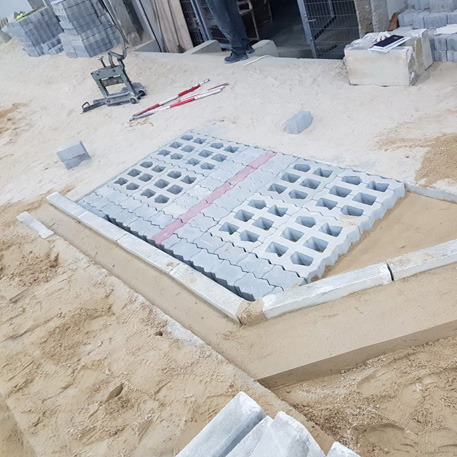
A well-built paver patio or driveway can change how you use and enjoy your property. Homeowners in Cromwell, CT often choose Best Interlocking Pavers Contractors because they combine durability, style, and long-term value. Yet the final result depends heavily on the contractor you hire.
Some projects stay level and attractive for decades. Others develop drainage issues, shifting pavers, or weed growth within a few years. What creates that difference? The answer usually comes down to planning, materials, installation methods, and local experience.
Cromwell’s seasonal weather places unique demands on outdoor surfaces. Freeze-thaw cycles, rainfall, and soil movement can affect pavers over time. Contractors who understand these local conditions often build projects that perform better year after year.
Whether you are considering a driveway paver installation, a custom patio, or a complete outdoor living space, understanding what separates skilled professionals from average installers can help you make a better investment.
Why homeowners choose paver installation for outdoor projects
Many property owners want outdoor upgrades that improve appearance without creating ongoing maintenance problems. Interlocking pavers meet that goal in many situations.
Unlike poured concrete, pavers are made of individual units that can move slightly with ground changes. This flexibility helps reduce cracking caused by seasonal temperature shifts.
According to the National Association of Home Builders (NAHB), outdoor living features remain among the most requested home improvements in the United States. Homeowners continue investing in patios, walkways, and outdoor entertainment areas to expand usable living space.
Popular projects include:
- Paver patio installation
- Brick walkways
- Pool surrounds
- Driveway surfaces
- Outdoor kitchens
- Fire pit gathering areas
Many Cromwell homeowners choose landscape pavers because they offer numerous design possibilities. Colors, patterns, and textures can match both traditional and modern homes.
For a detailed explanation of interlocking paving systems, see the interlocking concrete paver overview.
Materials and custom patio pavers: Which option fits your property?
Different materials perform differently depending on location, traffic levels, and design goals.
Concrete pavers in Cromwell remain one of the most common choices. They provide strong performance and many style options at a moderate cost.
Brick pavers create a timeless appearance that complements historic and traditional properties. Natural stone offers premium visual appeal and unique textures.
Before selecting materials, ask yourself: Will the area handle vehicle traffic? Will it receive full sun throughout the day? Do you want a formal look or something more natural?
Common paver material options
| Material | Average Cost Installed | Best For | Maintenance | Lifespan |
| Concrete Pavers | $12–$20 per sq. ft. | Patios and driveways | Low | 25+ years |
| Brick Pavers | $14–$25 per sq. ft. | Walkways and patios | Low to Moderate | 25+ years |
| Natural Stone | $20–$40 per sq. ft. | Luxury outdoor spaces | Moderate | 50+ years |
| Permeable Pavers | $15–$30 per sq. ft. | Drainage-focused projects | Low | 25+ years |
Permeable systems deserve special attention. The U.S. Environmental Protection Agency notes that permeable paving can help manage stormwater runoff and reduce pressure on local drainage systems. Learn more through the EPA permeable pavement resources.
A Skilled Paver Installation Company in Cromwell will explain the strengths and limitations of each material before recommending a solution.
What happens during professional paver construction services?
Many homeowners see only the finished patio. The work below the surface determines how long the project lasts.
Professional paver contractors follow a systematic process.
Site evaluation
Every successful project starts with grading analysis, drainage planning, and soil assessment.
Contractors determine how water will move across the property and identify potential problem areas.
Excavation
Existing soil is removed to the proper depth.
Shallow excavation remains one of the most common causes of paver failure.
Base preparation
A compacted aggregate base forms the foundation.
According to the Interlocking Concrete Pavement Institute (ICPI), proper base construction is among the most important factors affecting long-term performance. Learn more through the ICPI installation standards.
Edge restraint installation
Strong edge restraints help prevent movement and spreading over time.
Paver placement
Installers lay pavers according to the approved design pattern.
Attention to alignment and spacing creates a clean finished appearance.
Joint filling and compaction
Polymeric sand is swept into joints and compacted.
This step helps stabilize the surface and reduce weed growth.
Consider a common Cromwell example. A homeowner installs a backyard paver design featuring a fire pit and seating area. The visible pavers account for only part of the project. Proper drainage slopes, compacted stone, and edge restraints protect the investment long after construction ends.
Local companies such as Surmount Contractors often emphasize preparation work because it affects performance far more than many homeowners realize.
Cost factors for interlocking paver installation in Cromwell, CT
Prices vary depending on project size, materials, site conditions, and design complexity.
Many homeowners expect pavers to cost more than concrete. Initial costs are often higher, but long-term maintenance and repair expenses may be lower.
Several factors influence pricing.
Project size
Larger projects require more labor and materials.
A small walkway costs less than a complete outdoor entertainment area.
Material selection
Natural stone costs more than concrete pavers.
Special-order products can increase material expenses.
Site accessibility
Tight access areas often require additional labor.
Steep grades may require retaining walls or extra drainage work.
Design complexity
Custom paver installation in Wethersfield patterns increases labor time.
Decorative borders and curved layouts require more cutting and fitting.
Drainage requirements
Properties with water management issues may require additional excavation and drainage solutions.
Typical installed costs in the Cromwell area often range between $12 and $40 per square foot depending on material and project scope.
Would a lower estimate always save money? Not necessarily. Contractors who skip excavation depth or base preparation often create future repair costs that exceed initial savings.
How to choose the right hardscape contractors locally
Contractor selection often determines whether your project performs well for decades or develops problems within a few seasons.
Look beyond price alone.
Review previous work
Ask for project photos and references.
Pay attention to projects completed several years ago, not only recent installations.
Verify insurance and licensing
Connecticut requirements can vary based on project scope.
Always verify current registration and insurance coverage.
Ask about drainage planning
Experienced paving contractors discuss drainage before discussing colors or patterns.
Water management affects longevity more than appearance.
Understand warranty coverage
Request written warranty details.
Clear documentation helps avoid misunderstandings later.
Evaluate specialization
A contractor focused on hardscape patio installation typically brings more project-specific experience than a general handyman.
A company that regularly handles interlocking pavers contractors projects in Cromwell, such as Surmount Contractors, will usually understand local soil conditions, permit expectations, drainage concerns, and seasonal performance requirements.
Ask detailed questions
Good contractors welcome questions.
Consider asking:
- How deep will excavation be?
- What base material will you use?
- How will drainage be handled?
- What warranty is included?
- Can I see local references?
The answers often reveal more than the estimate itself.
Conclusion
Choosing among interlocking pavers contractors involves more than comparing prices. The best providers focus on site preparation, drainage planning, quality materials, and proven installation methods. Those details determine how your patio, driveway, or walkway performs through Connecticut’s changing seasons.
If you are planning a paver project in Cromwell, take time to compare materials, review contractor experience, and ask detailed questions about the installation process. For homeowners seeking local guidance, Surmount Contractors can help explain material choices, design options, and construction methods so you can make a practical decision with confidence.
FAQ’s
How long do interlocking pavers last in Cromwell, CT?
A properly installed paver system can last 25 years or more. Many installations exceed that lifespan when contractors use quality materials, adequate base preparation, and proper drainage methods suited to local weather conditions.
Are interlocking pavers better than concrete?
Pavers often provide greater flexibility and easier repairs. Individual units can be replaced if damaged. Concrete slabs may crack over time, especially in areas affected by freeze-thaw cycles.
What do interlocking pavers contractors charge in Cromwell, CT?
Most projects range from $12 to $40 per square foot installed. Material choice, site conditions, design complexity, and drainage requirements affect final pricing.
Do paver patios increase property value?
Many buyers view outdoor living spaces as desirable features. A professionally installed patio can improve curb appeal and increase usable outdoor space, which may support resale value.
How long does paver patio installation take?
Most residential projects take between three and seven days. Larger outdoor living spaces or projects requiring extensive grading may take longer.
Do I need permits for paver installation in Cromwell, CT?
Permit requirements depend on project scope and location. Projects involving drainage modifications, retaining walls, or significant grading may require approval from local authorities.
What maintenance do pavers require?
Routine maintenance includes occasional cleaning, joint sand replacement, and weed control. Sealing may help maintain color and appearance but is not always required.
Can pavers handle vehicle traffic?
Yes. Many interlocking paver installation systems are designed specifically for driveways and vehicle loads. Proper base construction remains essential for long-term performance.
What is the best material for backyard paver design projects?
Concrete pavers provide affordability and design flexibility. Natural stone creates a premium appearance. The best choice depends on budget, style preferences, and intended use.
Are permeable pavers worth the extra cost?
Properties with drainage concerns often benefit from permeable systems. They can reduce runoff and help manage stormwater while maintaining an attractive appearance.