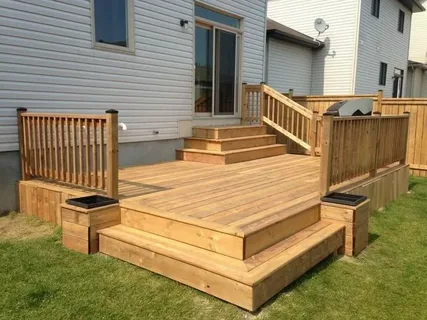
Build an outdoor space that stands up to Cromwell weather with trusted deck installation services. Learn what matters before you decide.
A deck should feel like a natural extension of your home, but too many homeowners end up with loose boards, fading surfaces, or drainage problems after only a few seasons. Through the experience shared by Surmount Contractors, we’ve seen that successful deck installation services start with planning for local conditions instead of simply choosing attractive materials.
Outdoor living has become a bigger priority for many families in Cromwell. A well-built deck creates space for weekend cookouts, quiet mornings with coffee, and gatherings with friends. The difference between a deck that lasts ten years and one that lasts twice as long often comes down to choices made before construction even begins.
What Makes a Well-Built Deck Different?
A deck is more than a platform attached to your house. Every part, from the footings below ground to the final railing installation, works together to create a structure that stays safe and stable through years of changing weather.
Many homeowners focus almost entirely on appearance. Color, railing style, and board patterns matter, but they should never come before structural planning. Proper footing depth, beam spacing, flashing, drainage, and ventilation all have a direct effect on long-term performance.
For many properties, experienced custom deck builders begin by evaluating:
- Soil conditions
- Yard slope
- Water drainage
- Existing landscaping
- House connection points
- Local building code requirements
Skipping these early steps often creates problems that become expensive later.
In Cromwell, we’ve noticed that most homeowners ask about board colors before asking about framing materials. The frame usually determines how long the entire structure performs, making it one of the smartest places to invest.
Material selection also deserves careful thought.
Natural cedar offers warmth and classic character. Pressure-treated lumber remains a practical choice for many budgets. Composite products reduce routine maintenance while resisting fading, insects, and moisture more effectively than traditional wood.
Each option has strengths, and the right decision depends on how the deck will actually be used rather than what happens to be popular.
The Real Challenge Homeowners Face in Cromwell
Connecticut weather creates conditions that many online articles barely mention.
Cromwell experiences humid summers, freezing winters, snow accumulation, heavy spring rain, and repeated freeze-thaw cycles. Those temperature swings cause expansion and contraction that slowly stress fasteners, framing connections, and surface boards.
Moisture is another common issue.
Water trapped beneath decking or around support posts encourages rot, mold growth, and premature deterioration. Poor airflow underneath the structure often makes these problems worse.
One local homeowner reached out after noticing several deck boards beginning to lift near the back steps. The surface still looked attractive, so they assumed only a few screws needed replacement. During inspection, moisture had already weakened sections of the framing because water wasn’t draining correctly beneath the structure. Replacing the damaged framing early prevented a much larger repair several years later.
This raises an objection many homeowners have but rarely find answered online:
“Should I replace only the visible boards if everything underneath still seems solid?”
Not always.
Surface boards can hide structural movement underneath. A professional inspection should verify joists, ledger attachment, footings, connectors, and hardware before cosmetic repairs begin. Spending a little more on inspection often prevents spending thousands on future reconstruction.
Another question competitors rarely discuss is whether larger decks always provide better value.
The answer depends on how the space will actually be used.
A carefully planned backyard deck construction project that fits the property often provides better functionality than building the biggest deck the yard can hold. Oversized decks increase maintenance costs, require additional structural support, and sometimes reduce usable lawn space without adding meaningful everyday value.
One detail generic articles often overlook involves sunlight exposure.
South-facing decks usually receive far more UV exposure than shaded areas. That affects surface temperatures, finish longevity, furniture placement, and even the comfort of walking barefoot during summer afternoons. Planning shade structures or selecting materials with better heat performance can make the space much more enjoyable throughout the season.
A Thoughtful Process Makes the Difference
Every property presents a different set of conditions. A deck attached to a walkout basement has different structural needs than one built on a level lot, and an older home may require extra attention where the deck connects to the house.
That is why Surmount Contractors begins with the site rather than a catalog of designs. The goal is to understand drainage patterns, soil stability, access to the yard, and how the family plans to use the finished space before recommending materials or layouts.
A careful process often includes:
- Measuring the grade and identifying drainage paths
- Confirming footing locations and required depth
- Reviewing local building code requirements
- Planning stair placement for comfortable traffic flow
- Selecting corrosion-resistant fasteners and connectors
- Allowing proper airflow beneath the deck
Many articles stop after discussing materials, but long-term performance depends just as much on what happens below the surface.
For example, hidden flashing where the deck meets the home protects against water entering the wall system. It is not something most homeowners notice once construction is complete, yet it can prevent moisture damage that develops slowly over several years.
The framing layout also deserves attention. Proper joist spacing helps reduce board movement and creates a more solid feel underfoot. Small details like this often separate an average installation from one that continues performing season after season.
Homeowners also ask if combining different materials is a mistake.
Actually, it can be a practical choice. Many people choose wood & composite decks by using pressure-treated framing with composite deck boards. The structure remains strong while the walking surface requires less routine maintenance than traditional wood.
Another point that often gets overlooked is future flexibility. Leaving room for features such as lighting, privacy screens, pergolas, or an outdoor kitchen during the initial build can save significant labor if those upgrades are added later.
Practical Tips Before You Commit to a New Deck
A little planning before signing a contract can prevent expensive surprises after construction begins.
Start by asking how water moves across your yard after a heavy rain. Standing water around footings shortens the life of any outdoor structure, regardless of material.
Next, request a clear explanation of the framing system instead of focusing only on board samples. Attractive decking cannot make up for poor structural support.
Working with clients in Cromwell, our team found that homeowners who spend time discussing maintenance expectations usually end up happier with their final material choice. Someone who enjoys annual staining may appreciate natural wood, while another homeowner may prefer a surface that only needs occasional washing.
Before making your decision, consider these questions:
- How much direct sunlight reaches the deck each day?
- Will you use the space for large gatherings or quiet family evenings?
- Is there enough room for outdoor furniture without blocking walkways?
- Will snow removal be necessary during winter?
- Could nearby trees increase leaf buildup and cleaning needs?
One local market tip is to schedule planning well before the busiest construction months. Spring and early summer often bring higher demand, which can affect project timelines. Starting the design and permit process earlier gives you more flexibility and reduces the pressure to rush important decisions.
Remember that the lowest proposal is not always the lowest overall cost. Differences in framing lumber, hardware quality, drainage planning, and workmanship may not be obvious on paper, but they can influence how well the deck performs for many years.
Build an Outdoor Space That Fits Your Home for Years
A durable deck starts with smart planning, quality materials, and construction that respects Cromwell’s changing seasons. Taking time to understand the structure beneath the surface is just as valuable as choosing the style you see every day.
If you’re comparing options for a new outdoor living area, gathering detailed information first will help you make a confident decision. Surmount Contractors provides professional deck services in Cromwell, CT, with an approach focused on long-term value, practical design, and craftsmanship that homeowners can enjoy for years to come.
FAQs
1. How much do deck installation services cost in Cromwell, CT?
The cost depends on the deck size, material, site conditions, railing style, and any added features such as stairs or lighting. A pressure-treated wood deck is usually more affordable than composite options. The best way to get an accurate estimate is with an on-site evaluation that considers your property’s layout and local building requirements.
2. How do I know if a deck contractor is legitimate?
Start by confirming the contractor is properly licensed and insured where required. Ask for recent local project photos, references, and a written estimate that clearly explains materials, labor, and the project timeline. A reliable contractor should also explain permits, inspections, and answer questions without pressuring you into a quick decision.
3. Is wood or composite decking better for Connecticut weather?
Both materials perform well when installed correctly. Wood offers a natural appearance and can be refinished over time but needs regular maintenance. Composite decking resists moisture, fading, and insects with less upkeep, making it a popular choice for homeowners who prefer easier long-term maintenance.
4. How long does a new deck usually take to build?
Most residential decks take between one and three weeks once construction begins, depending on the size, weather conditions, permit approvals, and project complexity. Larger designs with multiple levels, custom railings, or built-in features may require additional time to complete safely and correctly.
5. Do I need a permit for backyard deck construction in Cromwell?
In many cases, yes. Permit requirements depend on the deck’s size, height, and how it connects to the home. Local building officials review plans to help ensure the structure meets current safety standards. Checking permit requirements before construction begins can prevent delays and unexpected corrections later.