
Garage floors take a beating throughout the year. Cars bring in road salt, water, dirt, oil, and chemicals that slowly wear down concrete surfaces. Many homeowners in West Hartford look for longer-lasting protection and a cleaner appearance, which is why Epoxy Garage Floor Coating remains a popular upgrade.
Timing plays a major role in how well an epoxy installation performs. A high-quality coating can last for years, but applying it during the wrong weather conditions or on poorly prepared concrete can lead to peeling, bubbling, discoloration, or poor adhesion.
Have you noticed small cracks appearing in your garage floor? Are you planning a garage renovation before winter arrives? Or are you wondering whether summer heat affects garage floor epoxy installation?
Choosing the right season and understanding the installation process can help you avoid expensive repairs later. This guide explains when to install epoxy coatings in West Hartford, which options work best, typical costs, and how to select the right contractor for the job.
Why homeowners choose garage floor coating in West Hartford
Connecticut weather creates unique challenges for concrete floors. Winter road salt, freeze-thaw cycles, moisture, and vehicle traffic gradually damage untreated concrete.
Many homeowners choose a garage floor coating because it:
- Protects against stains and chemicals
- Makes cleaning easier
- Improves appearance
- Reduces concrete dust
- Helps prevent surface wear
- Adds value to the garage space
According to the U.S. Environmental Protection Agency, moisture is one of the most common causes of coating failures in concrete applications. Proper preparation and moisture testing help reduce these risks. EPA guidance on concrete and coatings supports proper surface preparation practices.
A Well-installed epoxy floor coating in West Hartford CT, creates a durable barrier over the concrete surface. Many property owners use these systems in residential garages, workshops, storage areas, and utility spaces.
In West Hartford neighborhoods with older homes, garage slabs often contain hairline cracks or surface imperfections. Addressing these issues before coating installation helps improve long-term performance.
Best epoxy flooring system options for local conditions
Different coating systems perform differently depending on traffic levels, moisture exposure, and budget.
Standard epoxy coating
This option provides good protection and an attractive finish for most residential garages.
Pros:
- Affordable
- Good chemical resistance
- Attractive appearance
Cons:
- Less UV resistant
- Longer curing time
Polyaspartic-enhanced systems
Many contractors combine epoxy primers with polyaspartic topcoats.
Pros:
- Faster curing
- Better UV protection
- Strong abrasion resistance
Cons:
- Higher initial cost
Decorative floor coating systems
These systems include vinyl flakes or decorative chips.
Pros:
- Hides imperfections
- Improves appearance
- Adds texture
Cons:
- More installation steps
Industrial floor coating systems
Designed for heavy-duty applications.
Pros:
- Handles equipment traffic
- High durability
- Strong chemical resistance
Cons:
- Higher installation cost
Commercial epoxy flooring systems
Common in showrooms, warehouses, and service facilities.
Pros:
- Professional appearance
- Durable surface
- Low maintenance
Cons:
- Requires extensive preparation
Comparison of common garage coating options
| Coating Type | Average Cost per Sq Ft | Durability | Best For | Maintenance |
| Water-Based Epoxy | $3–$5 | Moderate | Light residential use | Low |
| 100% Solids Epoxy | $5–$9 | High | Busy garages | Low |
| Epoxy with Flake Finish | $6–$10 | High | Decorative garages | Low |
| Epoxy + Polyaspartic Topcoat | $7–$12 | Very High | Premium installations | Very Low |
Many homeowners searching for the best time to coat a garage floor in Connecticut choose flake systems because they balance durability and appearance.
When should you install garage floor epoxy?
Weather conditions matter more than many people realize.
Spring
Spring can work well once temperatures stabilize. Concrete often retains moisture after winter, so contractors should conduct moisture testing before applying coatings.
Summer
Many professionals consider summer the ideal installation period.
Temperature and humidity levels often support proper curing. Warm conditions help coatings bond effectively to prepared concrete.
Still, excessive heat can shorten working times. Experienced installers adjust application methods when temperatures rise.
Early fall
Early fall is often the sweet spot for West Hartford homeowners.
Moderate temperatures support consistent curing. Humidity levels frequently remain manageable, and homeowners can prepare their garages before winter arrives.
Many searches for epoxy garage floor coating before winter in West Hartford increase during September and October for this reason.
Winter
Winter installations can succeed if the garage remains climate-controlled.
Cold concrete slows curing and can create adhesion issues. Professional contractors often use temperature monitoring equipment to maintain acceptable installation conditions.
According to the Portland Cement Association, freeze-thaw exposure contributes significantly to concrete deterioration when moisture enters surface defects. Concrete durability research from Portland Cement Association highlights the importance of protecting exposed concrete surfaces.
Common mistakes to avoid
Several issues cause premature coating failure:
- Applying coatings over damp concrete
- Skipping crack repairs
- Poor surface grinding
- Installing during extreme temperatures
- Using low-quality products
- Driving on the floor before full cure
A local homeowner in West Hartford recently delayed coating installation until early autumn after moisture testing revealed elevated slab moisture levels following a wet spring. Waiting several weeks prevented a potential adhesion problem and helped produce a longer-lasting finish.
How contractors apply concrete floor coating
Quality installation follows a detailed process.
Inspection and moisture testing
Contractors inspect the slab for cracks, contamination, and moisture issues.
Moisture testing is one of the most important steps. Many coating failures trace back to excessive moisture vapor.
Surface preparation
Preparation often involves diamond grinding or shot blasting.
The International Concrete Repair Institute identifies proper surface profiling as a major factor affecting coating performance. Concrete surface preparation standards are widely referenced throughout the industry.
Crack and damage repair
Installers fill cracks and repair damaged areas before coating application.
Primer application
The primer helps create strong adhesion between the concrete and coating system.
Base coat installation
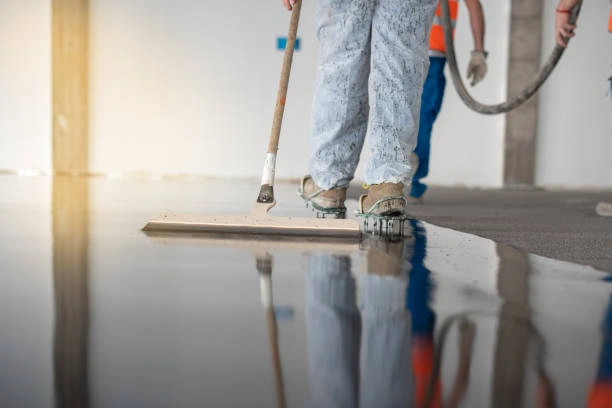
The epoxy coating is applied evenly across the prepared surface.
Decorative broadcast
If homeowners select a decorative floor coating, installers distribute flakes or chips across the wet coating.
Protective topcoat
A protective floor coating seals the system and improves wear resistance.
Companies such as Surmount Contractors that work regularly with epoxy flooring systems in West Hartford understand how local humidity, seasonal temperature swings, and concrete conditions affect installation quality.
Cost factors for residential epoxy flooring in West Hartford
Pricing varies depending on several project details.
Most Residential epoxy flooring projects in Berlin CT range between $4 and $12 per square foot.
Key cost factors include:
- Garage size
- Existing floor condition
- Moisture mitigation requirements
- Decorative finishes
- Number of coating layers
- Product selection
A one-car garage may cost between $1,200 and $2,500.
A two-car garage commonly ranges from $2,000 to $5,000.
Luxury systems with decorative flakes and premium topcoats can exceed those ranges.
According to the National Association of Realtors Remodeling Impact Report, garage improvements can improve buyer perception and contribute positively to property marketability when maintained properly.
Homeowners often search for affordable epoxy garage floor coating services in West Hartford while comparing coating systems and long-term maintenance costs. Looking beyond initial pricing often produces better value over time.
Choosing the right contractor locally
Finding the right installer can make the difference between a floor that lasts several years and one that begins peeling within months.
Ask potential contractors:
- Do you perform moisture testing?
- What preparation methods do you use?
- Which coating products do you install?
- What warranty is included?
- Can you provide local references?
- How long should curing take?
A licensed contractor in Connecticut often advises homeowners to focus on preparation quality rather than coating thickness alone. Surface preparation frequently determines long-term success.
When comparing providers, look for companies that specialize in coating systems rather than general handyman services. A contractor focused on epoxy applications, such as Surmount Contractors, often has more experience with local concrete conditions, coating specifications, and installation procedures than providers who only perform occasional flooring work.
You should ask whether permits are required for related renovation work. Coating projects alone usually do not require permits in West Hartford, though associated structural modifications may fall under local building department requirements.
A contractor who documents moisture readings, surface preparation methods, and product specifications usually provides a clearer installation process.
Conclusion
Applying Epoxy Garage Floor Coating at the right time can prevent many common problems, including peeling, bubbling, and premature wear. Early fall and stable summer conditions often provide the best installation environment in West Hartford, though proper preparation remains the deciding factor. By selecting the right coating system, understanding local climate conditions, and hiring an experienced installer, you can get stronger long-term results. If you are comparing options for your garage, consider speaking with Surmount Contractors about coating systems, preparation methods, and project timing that fit your property and budget.
FAQ’s
When is the best time to apply epoxy garage floor coating in West Hartford CT?
Early fall and stable summer weather often provide the best conditions. Moderate temperatures and lower moisture levels help coatings cure properly and bond effectively to concrete surfaces.
How long does garage floor epoxy last?
A professionally installed system can last 10 to 20 years. Longevity depends on traffic levels, maintenance, preparation quality, and the products used.
Can epoxy be installed during winter in Connecticut?
Yes, but contractors must control temperature and humidity. Cold concrete can slow curing and increase the risk of adhesion problems.
What does epoxy garage floor coating cost in West Hartford?
Most projects range from $4 to $12 per square foot. Costs depend on floor condition, decorative options, repairs, and coating type.
Is moisture testing necessary before installation?
Yes. Moisture is one of the leading causes of coating failure. Testing helps identify problems before installation begins.
How long does installation take?
Most residential garages take one to three days to complete. Cure times vary depending on product selection and environmental conditions.
Are decorative flake systems worth the extra cost?
Many homeowners find them worthwhile because they improve appearance, add texture, and help hide minor imperfections.
Do epoxy coatings crack easily?
Properly installed coatings resist cracking well. Existing concrete movement or structural issues can still affect the finished surface.
Do garage floor coating projects require permits in West Hartford CT?
Most coating-only projects do not require permits. Structural modifications or major renovation work may require approval from local authorities.