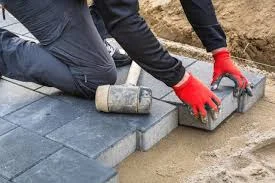
Outdoor spaces have become a bigger priority for many homeowners in West Hartford. Families want patios that last longer, driveways that improve curb appeal, and walkways that stay attractive through changing New England weather. That shift has increased demand for interlocking pavers contractors who can build durable and attractive hardscapes.
Unlike poured concrete, Interlocking Pavers provide flexibility and strength. Individual units can move slightly with seasonal ground changes, helping reduce cracking. Homeowners appreciate the wide range of colors, textures, and patterns available for modern outdoor living spaces.
Many property owners are investing in backyard upgrades because outdoor areas now serve multiple purposes. A patio may function as a dining area, gathering space, or extension of the home. Have you noticed how many neighborhoods now feature custom patios and upgraded walkways?
Across West Hartford, Professionally Installed Paver Systems continue gaining popularity because they combine appearance, durability, and long-term value.
Why homeowners prefer professional paver installation
Many outdoor surfaces face heavy use throughout the year. Snow, rain, freeze-thaw cycles, and foot traffic can damage poorly installed hardscapes.
Professional paver contractors understand how local soil conditions affect long-term performance. Proper base preparation often determines whether a patio lasts decades or begins shifting within a few years.
According to the Interlocking Concrete Pavement Institute in West Hartford, properly installed interlocking concrete pavement systems can provide decades of service when built on a suitable base and maintained correctly.
Homeowners often choose paver installation contractors because they provide:
- Accurate site grading
- Proper drainage planning
- Stable aggregate foundations
- Professional edge restraint installation
- Long-term structural performance
A licensed contractor in Connecticut often advises clients that the base beneath the pavers matters more than the pavers themselves. Without adequate preparation, even premium materials can fail prematurely.
Property owners seeking backyard paver design solutions frequently want projects that improve both function and appearance. Custom patio pavers can create outdoor entertainment areas that blend naturally with landscaping and existing architecture.
Local companies like Surmount Contractors that specialize in paver construction services understand West Hartford’s seasonal weather patterns and common drainage challenges, making project planning more effective.
Comparing landscape pavers and patio material options
Choosing the right material depends on budget, maintenance expectations, and intended use.
Concrete pavers remain one of the most common choices because they balance cost and durability. Natural stone provides a distinctive appearance but often comes with a higher price tag.
Clay brick offers timeless character, while permeable pavers support improved stormwater management. According to the U.S. Environmental Protection Agency, permeable paving systems can help reduce runoff and improve water infiltration in developed areas through green infrastructure stormwater practices.
Popular material comparison
| Material | Avg. Installed Cost per sq. ft. | Durability | Best For | Maintenance |
| Concrete Pavers | $15–$25 | High | Patios, walkways, driveways | Low |
| Brick Pavers | $18–$30 | High | Traditional home designs | Moderate |
| Natural Stone | $25–$50+ | Very High | Premium outdoor spaces | Moderate |
| Permeable Pavers | $20–$40 | High | Drainage-focused projects | Low |
Each material can support custom paver installation projects. The right choice often depends on appearance preferences, drainage needs, and budget goals.
Would you rather prioritize lower maintenance or a unique natural appearance? That question often guides material selection.
How interlocking paver installation works
Successful hardscape patio installation follows a structured process.
Site evaluation comes first. Contractors inspect grading, drainage conditions, utilities, and soil characteristics before planning begins.
Next comes excavation. Existing grass, soil, or deteriorated pavement is removed to the required depth.
After excavation, crews install and compact aggregate base materials. This layer creates the structural foundation supporting the finished surface.
The process usually includes:
- Base preparation and compaction
- Drainage planning
- Bedding sand placement
- Paver laying
- Edge restraint installation
- Joint sand application
Once pavers are installed, contractors compact the surface and fill joints. Many projects receive a protective sealer after curing.
According to research published through the University of Minnesota Sustainable Urban Landscape Information Series, permeable paving systems can support improved stormwater management when properly designed and maintained.
Consider a typical West Hartford homeowner replacing a cracked concrete patio. Rather than pouring another slab, they choose decorative paver patios with integrated seating walls and pathways. The result creates a more flexible outdoor gathering area while reducing concerns about future cracking.
Cost factors for patio construction services in West Hartford
Project costs vary based on several factors.
Most paver patio installation projects in West Hartford range from approximately $15 to $40 per square foot. Premium materials and complex designs may exceed that range.
Several elements affect pricing:
- Material selection
- Site accessibility
- Excavation requirements
- Drainage improvements
- Pattern complexity
- Retaining wall integration
Driveways usually require deeper base construction than patios. This additional preparation increases labor and material costs.
Properties with steep slopes often need grading work before installation begins. Drainage systems may be required when water management issues exist.
Many homeowners ask whether pavers cost more than concrete. Initial installation often costs more. Yet individual pavers can be repaired or replaced without removing large sections of pavement, which may lower future repair expenses.
Another question worth asking is how long you plan to stay in your home. Many buyers view professionally installed hardscapes as an attractive feature during resale.
According to the National Association of Realtors Remodeling Impact Report (2023), outdoor improvement projects consistently rank among the home upgrades that increase homeowner satisfaction and property appeal.
Choosing the right hardscape contractors locally
Selecting the right contractor can have a major impact on project results.
Start by reviewing portfolios of completed installations. Look for projects similar to your planned patio, driveway, or walkway.
Ask contractors about:
- Licensing requirements
- Insurance coverage
- Drainage planning methods
- Base installation standards
- Material warranties
- Project timelines
West Hartford projects may require permits depending on scope, grading changes, drainage modifications, or proximity to public infrastructure. Homeowners should verify requirements through local municipal offices before construction begins.
A specialist who focuses on Residential Paver installation company in Wethersfield, CT often has deeper knowledge than a general handyman. A contractor who regularly performs interlocking paver installation work in the area like Surmount Contractors typically understands local permit procedures, frost-related concerns, and material performance expectations.
Pay attention to communication quality during estimates. Clear explanations often indicate organized project management.
Request written proposals that detail materials, excavation depth, drainage solutions, and warranty information. Detailed proposals reduce misunderstandings once work begins.
When comparing paving contractors, avoid selecting solely based on the lowest price. Long-term performance often depends on construction methods rather than material cost alone.
Homeowners who take time to evaluate credentials, references, and project details often experience smoother installations and better long-term results.
Conclusion
As outdoor living continues growing in popularity, professionally built paver systems remain one of the most practical upgrades for West Hartford properties. If you are considering a patio, walkway, or driveway project, gathering multiple estimates and reviewing material options is a sensible first step. For homeowners seeking guidance on design choices, drainage planning, or installation methods, Surmount Contractors can help explain available options and provide project-specific recommendations that fit local conditions.
FAQ’s
How long do interlocking pavers last?
A properly installed paver system can last 25 years or more. Longevity depends on site preparation, drainage quality, traffic levels, and maintenance practices. Individual pavers can often be replaced if damage occurs.
Are interlocking pavers better than concrete?
Many homeowners prefer pavers because they resist large cracks and allow easier repairs. Concrete typically costs less initially, though repairs may become more complicated over time.
What does paver installation cost in West Hartford CT?
Most projects range between $15 and $40 per square foot installed. Material selection, excavation requirements, and design complexity influence final pricing.
Do paver patios increase property value?
Many buyers view outdoor living spaces as desirable features. A professionally built patio can improve curb appeal, usability, and overall property attractiveness.
How long does interlocking paver installation take?
Small patio projects may take several days. Larger driveways and custom outdoor entertainment areas can require one to three weeks depending on weather and project scope.
Do I need a permit for paver installation in West Hartford CT?
Some projects may require permits, particularly when grading, drainage systems, or public right-of-way access are involved. Local officials can confirm current requirements.
Can pavers handle Connecticut winters?
Yes. Quality pavers installed on a properly compacted base perform well during freeze-thaw cycles common throughout Connecticut.
What maintenance do landscape pavers require?
Routine maintenance includes sweeping, occasional washing, weed control, and replenishing joint sand when necessary. Sealing may provide additional protection.
Which paver material lasts the longest?
Natural stone typically offers the greatest lifespan. Concrete and brick pavers can still provide decades of service when installed correctly.