
Homeowners in Wethersfield, CT want outdoor spaces that look great and last for years. A patio, walkway, driveway, or outdoor gathering area should handle changing weather, daily use, and seasonal temperature swings without losing its appearance.
That is why many property owners work with Interlocking Pavers Contractors rather than choosing poured concrete alone. A properly built paver system combines careful planning, strong base preparation, quality materials, and skilled installation techniques. When each step is done correctly, the result can withstand heavy traffic and Connecticut’s freeze-thaw cycles.
Many residents invest in paver patio installation projects to create attractive outdoor living spaces. Others upgrade driveways, pool surrounds, and garden pathways. No matter the project size, long-term performance depends on more than the pavers you see on the surface.
So how do contractors create hardscapes that remain stable year after year? Let’s look at the materials, installation process, costs, and contractor selection factors that make the difference.
Why homeowners choose paver installation for outdoor spaces
Across Wethersfield, homeowners want outdoor surfaces that combine strength with design flexibility. Interlocking pavers come in many colours, textures, patterns, and shapes, making them suitable for modern and traditional properties alike.
Unlike a large concrete slab, interlocking systems allow individual units to move slightly without widespread cracking. This flexibility helps during seasonal ground movement.
According to the Interlocking Concrete Pavement Institute in Wethersfield standards, properly installed interlocking pavement systems are designed to distribute loads across a compacted base, improving durability under vehicle and pedestrian traffic.
Many hardscape contractors recommend pavers for:
- Driveways
- Walkways
- Decorative paver patios
- Pool decks
- Outdoor entertainment areas
- Backyard gathering spaces
Property owners often choose custom patio pavers because damaged units can be replaced individually without rebuilding the entire surface.
A local homeowner near Old Wethersfield, for example, replaced a cracked concrete patio with landscape pavers. The new design improved drainage, reduced visible cracking concerns, and created a larger entertaining area for family events.
Materials and design options for custom paver installation
Durability starts with selecting the right materials for local conditions. Professional paver contractors evaluate drainage, soil conditions, traffic levels, and design goals before recommending products.
Concrete pavers remain one of the most popular choices. They provide strong performance and come in a wide range of styles.
Clay brick pavers deliver a traditional appearance that complements many historic Connecticut homes. Their colour runs throughout the material, helping maintain appearance over time.
Natural stone options provide unique textures and premium aesthetics. Stone products often work well for upscale outdoor living spaces and garden features.
Many outdoor paving specialists create backyard paver design plans using combinations of materials to create borders, accents, and focal points.
According to the National Association of Home Builders outdoor living trends report, outdoor living projects remain among the most requested residential upgrades due to their appeal and functional use of exterior space.
Comparison of common hardscape materials
| Material | Avg. Cost per Sq. Ft. Installed | Durability | Best For | Maintenance |
| Concrete Pavers | $15–$30 | High | Patios, walkways, driveways | Low |
| Brick Pavers | $18–$35 | High | Historic-style homes | Low to Moderate |
| Natural Stone | $25–$50+ | Very High | Premium patios | Moderate |
| Poured Concrete | $8–$18 | Moderate | Budget projects | Moderate |
How interlocking paver installation works step by step
Long-lasting hardscapes begin below the surface. The visible pavers represent only part of the finished system.
Experienced paver installation contractors follow a structured process designed to prevent settlement and drainage issues.
Site evaluation and planning
Contractors inspect slopes, drainage patterns, soil conditions, and access points. They determine finished elevations and identify potential water management concerns.
Excavation
Crews remove soil to the required depth. The excavation depth depends on the intended use. Driveways typically require deeper base layers than patios.
Base preparation
This stage often determines whether the project lasts decades or develops problems within a few years.
A compacted aggregate base creates stability and load distribution. Contractors install material in layers and compact each layer carefully.
According to the Federal Highway Administration permeable pavement guidance, proper base construction plays a major role in pavement performance and drainage management.
Bedding layer installation
A layer of screeded bedding sand creates a level surface for paver placement.
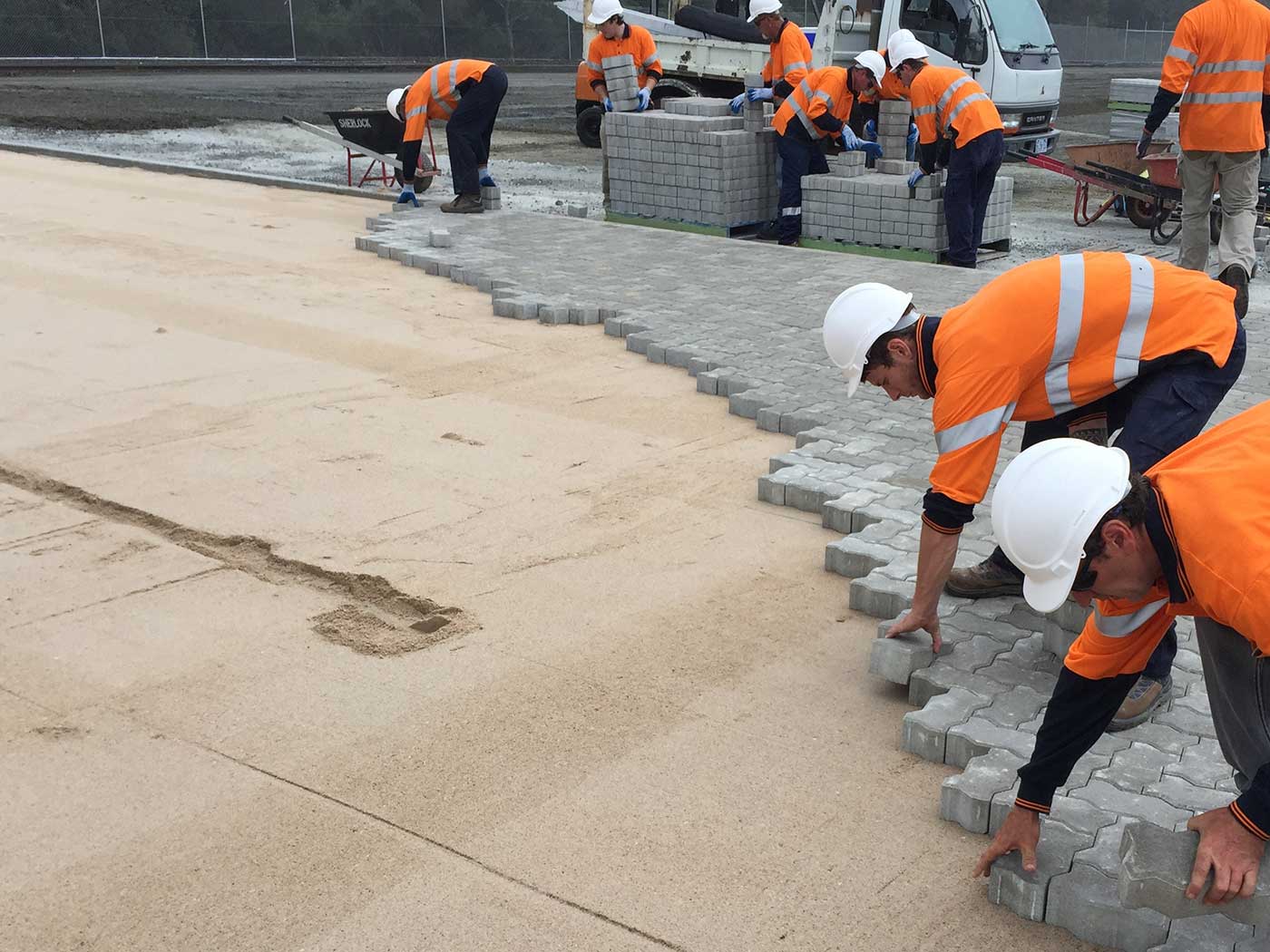
Paver placement
Workers place pavers according to the approved design pattern. Popular layouts include herringbone, basketweave, and running bond patterns.
Edge restraint installation
Edge restraints prevent lateral movement and help maintain structural integrity.
Joint sand application
Polymeric sand fills joints between pavers and helps reduce weed growth and insect intrusion.
Final compaction
Contractors compact the finished surface to lock the interlocking system together.
Companies like Surmount Contractors that focus on paver construction services understand how local soil conditions and seasonal weather affect long-term performance. That local experience often influences installation decisions from excavation depth to drainage planning.
Cost factors for patio construction services in Wethersfield
Many homeowners ask the same question: How much will a hardscape project cost?
Several factors influence pricing.
Project size remains one of the largest variables. Larger installations require more materials and labour.
Material selection affects budget significantly. Concrete pavers cost less than many natural stone products.
Site accessibility can impact labour requirements. Tight spaces may require additional hand work.
Drainage corrections, retaining features, lighting systems, and complex patterns can increase overall project costs.
Typical installed costs in Wethersfield often fall within these ranges:
| Project Type | Typical Cost Range |
| Walkway | $2,000–$6,000 |
| Small Patio | $4,000–$8,000 |
| Medium Patio | $8,000–$15,000 |
| Driveway | $10,000–$30,000+ |
Local permit requirements may affect project budgets. Some larger hardscape improvements involving drainage modifications or grading changes may require municipal review. Homeowners should verify current requirements through the Town of Wethersfield before work begins.
A licensed contractor in Connecticut often advises homeowners to budget for proper base preparation rather than focusing only on visible materials. Skipping foundation work can lead to costly repairs later.
Choosing the right paving contractors in Wethersfield CT
Selecting the right contractor has a direct effect on durability, appearance, and project value.
Start by reviewing previous projects. Photos can reveal workmanship quality and design capabilities.
Next, ask about installation methods. Reputable professional paver contractors explain excavation depth, compaction procedures, drainage planning, and warranty details.
Look for contractors who carry proper insurance and understand local building requirements.
Request detailed written proposals that specify:
- Material types
- Base depth
- Drainage solutions
- Project timeline
- Warranty coverage
- Total project cost
What separates a specialist from a general handyman?
A contractor who focuses primarily on hardscape Patio installation and Interlocking systems in Cromwell,such as Surmount Contractors typically has greater familiarity with local soil conditions, paver products, compaction requirements, and permit considerations than companies that handle many unrelated services.
Client reviews can provide useful information, though they should be considered alongside references and project examples.
Would you trust a contractor who cannot explain how they prepare the base? Most homeowners would not. A clear installation plan often signals a higher level of professionalism.
What happens if drainage is ignored? Water can weaken the base and shorten the lifespan of the hardscape.
Why does local experience matter? Connecticut weather presents challenges that require proper material selection and installation techniques.
Asking these questions helps identify contractors who focus on long-term performance rather than short-term savings.
Conclusion
If you are considering a new patio, walkway, or driveway, start by discussing site conditions, drainage needs, and material options with a local professional. A company such as Surmount Contractors can review your property, explain suitable paver systems, and help you compare choices based on your budget and long-term goals. Taking time to plan the project carefully often leads to a hardscape that remains attractive and functional for many years.
FAQ’s
How long do interlocking pavers last in Wethersfield CT?
A professionally installed paver system can last 25 years or longer. Longevity depends on base preparation, drainage, material quality, maintenance, and traffic levels. Proper installation helps the surface withstand Connecticut’s seasonal weather changes.
Do interlocking pavers crack like concrete?
Individual pavers can occasionally become damaged, but widespread cracking is less common than with large concrete slabs. The segmented design allows slight movement without affecting the entire surface.
What is the average cost of paver patio installation in Wethersfield CT?
Many patio projects range from $8,000 to $15,000. Material selection, project size, drainage work, and design complexity all influence final costs.
Are permits required for paver installation in Wethersfield?
Some projects may require permits if grading, drainage systems, or property modifications are involved. Homeowners should verify requirements with local authorities before construction begins.
Which paver material lasts the longest?
Natural stone and high-quality concrete pavers often provide excellent long-term durability. The right choice depends on budget, design goals, and expected use.
Can pavers handle Connecticut winters?
Yes. Properly installed interlocking pavers perform well in freeze-thaw conditions. Good drainage and a stable base help prevent movement and settlement.
How long does interlocking paver installation take?
Most residential projects take several days to two weeks. Larger driveways or custom designs may require additional time.
What maintenance do decorative paver patios need?
Routine sweeping, occasional washing, and periodic joint sand replacement help maintain appearance and performance. Sealing may be recommended in some situations.
Do pavers increase property value?
Outdoor improvements can enhance curb appeal and usability. According to the National Association of Realtors’ remodeling studies, outdoor living upgrades often contribute positively to homeowner satisfaction and market appeal.
How do I choose among paver installation contractors?
Review experience, licensing, insurance, project portfolios, references, and written proposals. Ask detailed questions about excavation depth and drainage planning before signing a contract.