
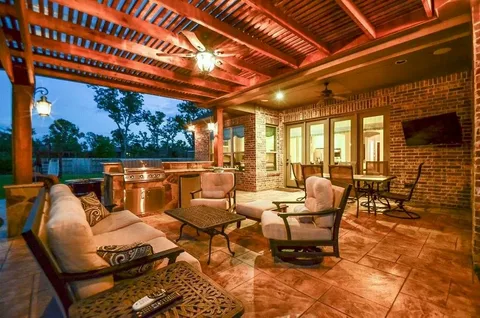
Learn how custom patio builders can plan durable outdoor spaces with the right layout, materials, drainage, and features for homes in West Hartford and Farmington.
A well-planned patio can turn an underused yard into a practical outdoor living area. Surmount Contractors helps homeowners understand what to consider when working with Custom patio builders in West Hartford, CT. The right patio should fit the property, support everyday activities, handle local weather, and connect naturally with the home.
Patio construction involves more than selecting a surface material. Drainage, grading, access, layout, foundation preparation, material choice, and long-term maintenance can all affect how the finished space performs.
For homeowners planning a new patio, understanding these details early can make the project easier to organize and help prevent avoidable construction problems.
Planning With Custom Patio Builders in West Hartford, CT
Custom patio builders in West Hartford, CT should begin with the way the outdoor space will actually be used. A patio designed for outdoor dining may require different dimensions and circulation than one intended for lounging, entertaining, or placing a fire feature.
The home’s existing doors and windows also matter. A patio should provide convenient access without creating awkward pathways between the house and outdoor space.
Property size can influence the layout as well. A smaller yard may benefit from a simple rectangular design, while a larger property may accommodate separate areas for dining, seating, cooking, or recreation.
The position of the patio should also account for sunlight, shade, privacy, landscaping, and nearby structures. These factors can affect how comfortable the space feels throughout the day.
Before construction begins, homeowners should think about furniture placement. Measure tables, chairs, grills, outdoor kitchens, or other planned features so the patio provides enough usable space after installation.
Choosing Materials for Backyard Patio Construction
Backyard patio construction in Farmington, CT can involve several material choices, including concrete, pavers, natural stone, and other outdoor-rated surfaces. Each option has different characteristics related to appearance, installation, maintenance, and cost.
Concrete offers flexibility in shape, size, color, and surface treatment. It can work well for homeowners who prefer a continuous surface with a clean appearance.
Pavers provide another approach. Individual units can create patterns and defined visual sections. If a particular section becomes damaged, individual pavers may be easier to address than replacing an entire continuous surface.
Natural stone can create a distinctive appearance with variations in color and texture. However, stone selection and installation require careful planning to create a stable and comfortable walking surface.
The right material depends on the home’s architecture, outdoor use, maintenance preferences, site conditions, and design goals. Homeowners should evaluate performance alongside appearance instead of choosing a material based only on its initial look.
Patio Layout and Drainage Considerations
Drainage is one of the most important technical considerations in patio construction. Water should move away from the house and drain appropriately rather than collecting against walls, doors, or low sections of the patio.
The property’s existing grade can influence how the patio should be positioned. Before construction, the site should be evaluated for slopes, drainage patterns, downspouts, landscaping, and other features that could affect water movement.
Poor drainage can contribute to standing water, surface deterioration, soil movement, and moisture problems around the home. A patio may look excellent when completed but still create problems if water does not have a suitable path away from the structure.
The connection between the patio and the home also deserves attention. Door thresholds and nearby foundation areas should be considered during design so the finished surface works with the existing structure.
Comparing Common Patio Materials
| Material | Main Advantage | Key Consideration |
| Concrete | Flexible design and continuous surface | Cracks and surface wear may require attention |
| Pavers | Pattern options and individual-unit replacement | Requires a properly prepared base |
| Natural Stone | Distinctive appearance and natural variation | Material and installation can vary |
| Decorative Concrete | Wide range of visual treatments | Finish requires appropriate maintenance |
No single material works for every property. The choice should reflect the site’s conditions, expected use, design preferences, and maintenance expectations.
Working With Patio Contractors Near Me in Farmington, CT
Homeowners searching for Patio contractors near me in Farmington, CT should evaluate more than the finished appearance of previous projects. Patio construction depends heavily on site preparation and installation practices.
Ask how the contractor approaches grading, drainage, excavation, base preparation, material installation, and transitions around the home.
The existing soil can also affect the project. Poorly prepared ground may shift over time, which can contribute to uneven surfaces, cracks, or movement in certain patio systems.
Access to the property should be discussed before construction. Equipment, materials, excavation, and debris removal may require specific access routes. Planning this early can reduce disruption during the project.
Homeowners should also clarify the project scope. The plan should identify the patio dimensions, selected materials, drainage considerations, edges, steps, walkways, and any additional features included in the work.
Common Patio Construction Mistakes
One common mistake is designing the patio without considering furniture. A space can appear large on paper but become crowded once tables, chairs, grills, and other items are added.
Another mistake is ignoring drainage. Water should not collect against the home or remain on the patio after normal rainfall.
Poor base preparation can create long-term issues. The surface may shift or become uneven if the underlying layers do not provide appropriate support for the selected material.
Some homeowners also choose materials without considering maintenance. Every outdoor surface requires some level of cleaning and care, and the maintenance requirements should match the homeowner’s expectations.
Ignoring the surrounding landscape can create another problem. Trees, roots, retaining walls, fences, and existing drainage features should all be considered during planning.
Best Practices for Patio Planning
Start by defining the main purpose of the patio. Decide whether the space will primarily support dining, entertaining, relaxing, cooking, or several activities.
Measure the available area and mark permanent features such as doors, windows, fences, trees, utility equipment, and drainage points.
Think about how people will move between the home, patio, yard, driveway, and other outdoor areas. Comfortable circulation can make a patio much easier to use.
Choose materials based on both appearance and performance. Consider weather exposure, foot traffic, maintenance, surface texture, and how the material will work with the home’s exterior.
Plan lighting, seating, shade, landscaping, and other features early when they may affect the patio’s dimensions or construction.
Actionable Tips Before Building a Patio
Walk through the yard at different times of day before finalizing the patio location. Note where sunlight, shade, wind, and privacy conditions change.
Measure existing outdoor furniture and create a simple layout showing where each item will sit.
Check where roof and gutter water currently drains. Downspouts should not discharge directly onto areas where they can undermine the patio base.
Think about future additions. If you may add an outdoor kitchen, pergola, fire feature, or larger seating area later, account for that possibility during the initial design.
Ask questions about site preparation, drainage, material installation, maintenance, and project access before construction begins.
Conclusion
Custom patio builders in West Hartford, CT can help homeowners create outdoor spaces that balance appearance, function, drainage, material performance, and the layout of the property. Good patio planning starts before construction, with careful attention to how the space will be used and how it connects with the home.
For homeowners in West Hartford, CT and Farmington, CT, understanding backyard patio construction in Farmington, CT and choosing experienced patio contractors near me in Farmington, CT can make the planning process more practical. Surmount Contractors focuses on the construction details that help outdoor spaces function well as part of the property.
FAQ
What should I consider before building a patio?
Consider the patio’s purpose, available space, drainage, access from the home, furniture placement, material, landscaping, sunlight, privacy, and future outdoor features.
Which patio material is easiest to maintain?
Maintenance varies by material and finish. Concrete, pavers, and natural stone each have different cleaning and upkeep requirements, so the best option depends on the property and homeowner’s preferences.
Why is drainage important for a patio?
Proper drainage helps prevent standing water and reduces the risk of moisture collecting near the home’s foundation, doors, or other vulnerable areas.
How large should a backyard patio be?
The size should reflect how the space will be used. Measure planned furniture and allow enough room for people to move comfortably around dining, seating, cooking, and entertainment areas.
What should I ask a patio contractor before construction?
Ask about site preparation, grading, drainage, base materials, installation methods, material options, access requirements, maintenance, and the complete project scope before work begins.